
What Is Microcurrent? How It Works and What to Expect
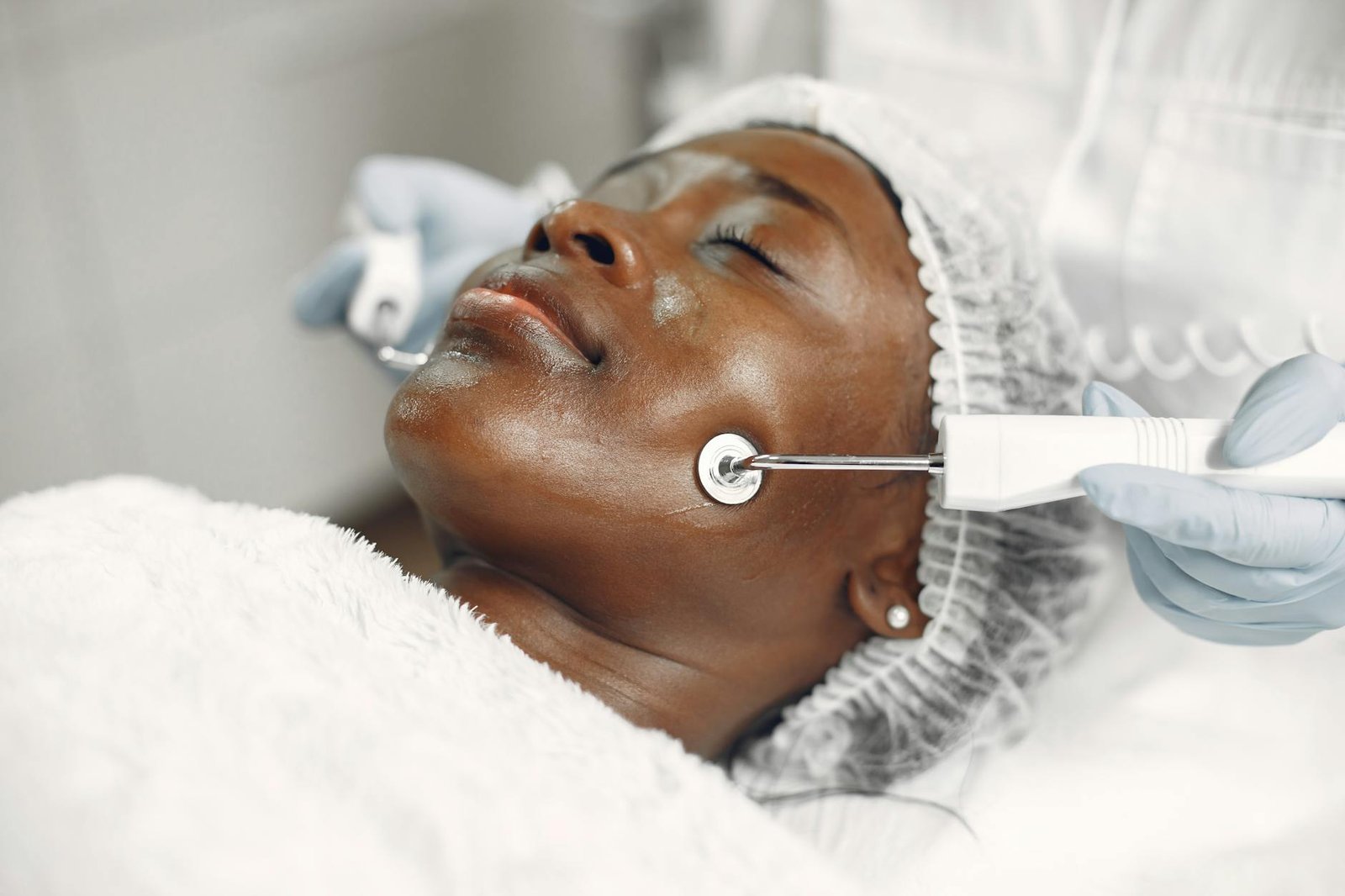
If you’ve heard of the Healy device, NuCalm, or Frequency-Specific Microcurrent, you’ve encountered microcurrent technology — even if you didn’t realize it. Microcurrent is one of the most accessible forms of frequency wellness technology, with devices small enough to clip to your clothing and subtle enough that most people feel nothing at all during a session.
But what is microcurrent actually doing? How does delivering an electrical current you can’t even feel produce effects you can notice? And what does the research say about whether it works?
This guide explains microcurrent technology from the ground up — the science behind it, the different approaches, the evidence, and what to realistically expect if you decide to try it.
Table of Contents
- What Is Microcurrent?
- How Microcurrent Works at the Cellular Level
- Microcurrent vs. TENS: What’s the Difference?
- Types of Microcurrent Technology
- What the Research Says
- What a Microcurrent Session Feels Like
- Popular Microcurrent Devices
- Safety and Contraindications
- Key Takeaways
- Frequently Asked Questions
What Is Microcurrent?
Microcurrent is electrical stimulation delivered in millionths of an ampere — specifically in the microampere (μA) range, typically between 10 and 600 μA. To put this in perspective, microcurrent is roughly 1,000 times weaker than the milliampere current used in conventional TENS devices. It’s so low that it falls below the threshold of sensory nerve activation, which is why most people cannot feel it during a session.
This isn’t a flaw — it’s the point. Microcurrent operates at levels similar to the electrical currents your body generates naturally at the cellular level. Your cells maintain electrical charges, your nervous system transmits signals through electrical impulses, and injured tissue produces measurable electrical signals as part of the recovery process. Microcurrent technology works by introducing external currents that mimic and support these natural bioelectrical processes.
The concept is sometimes described as “speaking the body’s electrical language.” Where higher-current devices like TENS override pain signals through nerve stimulation, microcurrent works at a more fundamental level — influencing the cellular processes that underpin the body’s own maintenance and recovery systems.
How Microcurrent Works at the Cellular Level
The most important study in microcurrent research was published in 1982 by Ngok Cheng and colleagues. This peer-reviewed study published in Clinical Orthopaedics and Related Research demonstrated that applying electrical current in the microampere range to rat skin cells produced measurable cellular effects.
The key findings were that direct electrical currents between 10 and 500 μA increased ATP (adenosine triphosphate) production by up to 500%. ATP is the primary energy molecule that powers virtually every cellular function in the body — it’s often called the “energy currency” of the cell. The study also found that amino acid transport into cells increased by 30–40% in the microcurrent range, supporting protein synthesis and cellular repair processes.
Critically, the study revealed a dose-dependent relationship. ATP production peaked at around 500 μA and then declined at higher current levels. Above 1,000 μA (entering the milliamp range used by TENS devices), ATP production actually dropped below baseline. This finding provides a biological rationale for why microcurrent and TENS — despite both being electrical stimulation — work through fundamentally different mechanisms.
The proposed mechanism involves microcurrent creating proton gradients across mitochondrial membranes. During electrical stimulation, electrons react with water molecules to form hydroxyl ions on one side while producing protons on the other. These migrating protons drive ATP synthesis when they reach the mitochondrial membrane-bound ATPase enzyme — essentially powering the cell’s energy production machinery.
While the Cheng study was conducted on rat skin cells and has limitations (it’s a single study from 1982), its findings have been consistently cited and are considered foundational to the field. The 500% ATP increase figure is the most frequently referenced statistic in microcurrent literature.
Microcurrent vs. TENS: What’s the Difference?
This is one of the most common questions in the frequency wellness space, and the distinction matters.
| Feature | Microcurrent | TENS |
|---|---|---|
| Current level | 10–600 microamps (μA) | 1–80 milliamps (mA) |
| Can you feel it? | Usually not — sub-sensory | Yes — tingling to strong pulsing |
| Primary mechanism | Increases cellular ATP production | Stimulates nerves to manage pain signals |
| FDA status | Classified under TENS category | FDA-cleared for pain management |
| Effect on ATP | Increases production (up to 500%) | May decrease production at higher currents |
| Best for | Cellular support, wellness, recovery | Direct pain management |
| Price range | $500–$4,000+ | $30–$100 |
The simplest way to think about it: TENS talks to your nerves. Microcurrent talks to your cells. Both use electrical stimulation, but at different levels targeting different biological systems.
Types of Microcurrent Technology
Not all microcurrent devices work the same way. There are several distinct approaches within the microcurrent category.
Frequency-Specific Microcurrent (FSM)
Developed by Dr. Carolyn McMakin in the 1990s, Frequency-Specific Microcurrent (FSM) uses pairs of specific frequencies delivered simultaneously on two channels. One channel targets the proposed condition (such as inflammation), while the second targets the proposed tissue type (such as nerve or muscle). The theory is that specific frequency combinations resonate with specific tissues and conditions, producing targeted effects.
FSM has the most published research within the microcurrent space. A controlled study showed FSM produced significantly better results than sham treatment for delayed onset muscle soreness, and a retrospective study found FSM as an adjunct to rehabilitation significantly improved outcomes for low back pain. FSM is primarily used by trained practitioners in clinical settings.
Individualized Microcurrent Frequency (IMF)
IMF is the approach used by the Healy device. It delivers microcurrent at specific frequencies selected through a smartphone app, with programs organized around different wellness goals — comfort, sleep, relaxation, fitness, mental balance, and more. Some editions include a resonance analysis feature that claims to scan the user’s bioenergetic field to recommend programs.
The IMF approach differs from FSM in that it’s designed for self-use rather than practitioner-administered sessions, and it offers a much wider range of programs. However, the specificity claims of IMF programs — that particular frequency patterns produce particular effects on particular body systems — have not been validated in peer-reviewed controlled studies.
Single-frequency microcurrent
Simpler microcurrent devices deliver current at a single frequency or a small range of frequencies, without the dual-channel, condition-specific approach of FSM. These devices are often used in aesthetic applications (facial toning, skin rejuvenation) and general wellness. They lack the program depth of FSM or IMF systems but are typically more affordable and simpler to operate.
Cranial Electrotherapy Stimulation (CES)
CES is a specific application of microcurrent that delivers current through ear clips or forehead electrodes, targeting the brain. CES devices like the Alpha-Stim have been studied for anxiety, insomnia, and mood support, with some devices receiving FDA clearance for these specific applications. CES represents one of the more evidence-supported branches of microcurrent technology.
→ Related reading: 5 Types of Frequency Technology Explained
What the Research Says
Microcurrent research falls into several categories, each with different levels of evidence.
Strong foundation: ATP production and cellular effects
The Cheng et al. 1982 study demonstrating a 500% increase in ATP production at microcurrent levels remains the foundational research for the entire field. While this was a laboratory study on rat cells (not a human clinical trial), it provides a plausible biological mechanism for why microcurrent might produce wellness effects. The finding that higher currents actually decrease ATP production adds credibility — it’s a specific, testable claim that has been consistent with subsequent research.
Published clinical evidence
A 2023 observational study followed 250 participants using the Healy microcurrent device across five conditions over six months, reporting improvements in quality of life scores across all groups. This study warrants particular caution: beyond its observational design (no control group, no blinding), it was funded by the device’s manufacturer — the lead author is an employee of Healy GmbH and a co-author received consulting fees from the company — which is a significant conflict of interest.
FSM has produced several published studies showing positive results for muscle soreness, low back pain, and fibromyalgia symptoms. A 2013 paper in the Journal of Alternative and Complementary Medicine explored the mechanisms of FSM’s characteristic tissue-softening effect and proposed resonance as a likely mechanism of action.
Microcurrent for wound recovery and tissue support has a long research history. Frequently cited figures of 200–350% faster healing trace to older, uncontrolled clinical observations from the 1960s–70s, so they should be read with caution. More recent controlled evidence is more measured: a 2022 meta-analysis of randomized trials in the Journal of Tissue Viability found that microcurrent added to standard wound care produced a greater reduction in wound surface area (moderate certainty), though it found no significant difference in the number of wounds that fully healed.
What remains unvalidated
The specific claims that particular frequency numbers target particular organs or conditions — common in both FSM protocols and Healy program labels — have not been validated through randomized controlled trials. The resonance analysis and information field features in some microcurrent devices lack a recognized scientific mechanism.
It’s important to separate what microcurrent itself does (deliver sub-sensory electrical current that may influence cellular processes) from what specific programs claim to do (target particular conditions with particular frequencies). The former has published research support; the latter remains largely anecdotal.
→ Deep dive: The Science Behind Frequency Technology: What Research Actually Shows
What a Microcurrent Session Feels Like
The most common reaction to a first microcurrent session is “I don’t feel anything.” This is normal and expected. Because microcurrent operates below the sensory nerve threshold, most sessions produce no physical sensation at all. Some people report a very faint tingling at the electrode sites, and occasionally a subtle sense of warmth or heaviness during relaxation-focused programs.
The absence of sensation can be disconcerting — especially if you’ve invested hundreds of dollars in a device. But it’s actually the defining feature of microcurrent. If you’re feeling strong tingling or muscle contractions, the current level is too high and has crossed into the TENS/milliamp range, which works through a completely different mechanism.
Where users typically notice effects is after sessions rather than during them. Commonly reported experiences include feeling more relaxed or calmer after a session, sleeping more deeply on nights when they used a sleep program, reduced morning stiffness or tension, and a general sense of improved energy over days and weeks of consistent use.
These are subjective reports, and the placebo effect certainly plays a role in any wellness experience. However, the consistency of these reports across diverse user populations — and the biological plausibility provided by the ATP production research — suggests that something beyond pure placebo may be at work for at least some users.
The key to getting a meaningful experience from microcurrent is consistency. Most practitioners and experienced users recommend daily sessions of 20–60 minutes over a minimum period of 2–4 weeks before evaluating whether the technology is supporting your goals.
Popular Microcurrent Devices
Healy (~$500–$4,000) — The most recognized consumer microcurrent device. Portable, app-driven, with hundreds of frequency programs. FDA-cleared for pain management. Our full review covers editions, pricing, and an honest assessment of what to expect.
Alpha-Stim (~$800–$1,200) — A CES-focused microcurrent device with FDA clearance for anxiety, insomnia, depression, and pain. Delivers current through ear clips. More narrowly focused than the Healy but with stronger regulatory backing for its specific claims.
NuCalm (~$3,500+) — Combines microcurrent with neuroacoustic software and light-blocking eye masks for a multi-modal relaxation and stress management system. Used by some military and professional sports organizations.
FSM practitioner devices (~$2,000–$5,000) — Precision Microcurrent and similar devices designed for clinical FSM use. These require training to operate effectively and are typically used by licensed practitioners.
Aesthetic microcurrent devices (~$200–$500) — Devices like NuFACE and ZIIP focus on facial toning and skin rejuvenation using microcurrent. Different application from whole-body wellness but based on the same technology.
→ Our picks: Best Frequency Wellness Devices of 2026: A Buyer’s Guide
→ Full review: Healy Device Review 2026: An Honest, In-Depth Assessment
Safety and Contraindications
Microcurrent has an excellent safety profile. Because the current levels are so low — well below what would stimulate motor nerves or cause tissue damage — adverse effects are extremely rare. Large-scale data collection studies have reported that across thousands of patients, no side effects or increases in symptoms were observed during microcurrent sessions.
Standard contraindications apply as with all frequency technologies. Do not use microcurrent if you have a pacemaker or other implanted electronic device. Consult your doctor before use if you are pregnant, have epilepsy, or have any active implants. Do not apply electrodes directly over the eyes, directly over the front of the throat, or across the chest in a way that passes current through the heart.
One important note specific to microcurrent: because the current is sub-sensory, it’s possible to use a device without realizing the session is actively running. Always follow manufacturer guidelines on session length and frequency of use. More is not necessarily better — the Cheng study showed that ATP production actually declined at higher current levels.
Key Takeaways
- Microcurrent delivers electrical stimulation in the microampere range (10–600 μA) — roughly 1,000 times weaker than TENS and below the threshold of conscious sensation.
- The foundational Cheng et al. 1982 study — conducted in excised rat skin, not humans — showed that microcurrent can increase cellular ATP production several-fold (the often-quoted “up to 500%” peak near 500 µA), an effect that is biphasic and reverses, dropping below baseline once current exceeds about 1 mA. It offers a plausible mechanism, but as a single 1982 animal-tissue study it is foundational rather than conclusive.
- Microcurrent and TENS are fundamentally different — microcurrent supports cellular energy production while TENS stimulates nerves for pain management.
- The main approaches include Frequency-Specific Microcurrent (FSM) used by practitioners, Individualized Microcurrent Frequency (IMF) used by devices like the Healy, and Cranial Electrotherapy Stimulation (CES) targeting the brain.
- Published research supports microcurrent for cellular energy production, wound recovery, and comfort support. Specific program claims (targeting particular organs or conditions with particular frequencies) remain largely unvalidated.
- Most users feel nothing during sessions — effects are typically noticed afterward as improved sleep, reduced tension, or better energy.
- Consistency over 2–4 weeks is needed to meaningfully evaluate whether microcurrent supports your wellness goals.
Frequently Asked Questions
Can you feel microcurrent?
Most people cannot feel microcurrent during a session. The current level is below the threshold needed to activate sensory nerves. Some users report a very faint tingling at electrode sites, but feeling nothing is completely normal and doesn’t mean the device isn’t working. If you feel strong sensations or muscle contractions, the current is too high.
How is microcurrent different from PEMF?
Microcurrent delivers tiny electrical currents directly through the skin via electrodes — it requires physical contact. PEMF delivers electromagnetic pulses through coils that pass through tissue without skin contact. Both influence cellular processes but through different mechanisms. PEMF has a broader and stronger research base, while microcurrent has the ATP production research as its foundational evidence.
Is microcurrent FDA approved?
Microcurrent devices are classified under the TENS device category by the FDA. Specific devices like the Healy are FDA-cleared for temporary pain relief. CES devices like the Alpha-Stim are FDA-cleared for anxiety, insomnia, depression, and pain. The broader wellness claims made about many microcurrent devices have not been evaluated by the FDA.
How often should I use a microcurrent device?
Most manufacturers recommend 1–2 sessions per day, lasting 20–60 minutes each. Consistency is essential — daily use over 2–4 weeks gives the clearest picture of whether the technology supports your goals. Some practitioners suggest allowing rest days, while others recommend daily use. Follow your device’s specific guidelines.
Does microcurrent work for facial toning?
Microcurrent facial devices (like the NuFACE Trinity) are a popular aesthetic application. The theory is that microcurrent stimulates facial muscles and supports ATP production in skin cells, leading to improved tone and appearance. There is some published evidence supporting this application, though results are typically subtle and require consistent ongoing use.
Is the Healy a microcurrent device?
Yes. The Healy delivers Individualized Microcurrent Frequency (IMF) through electrode pads or a coil accessory. It’s one of the most well-known consumer microcurrent devices. See our full Healy review for a detailed, independent assessment.
References
- Cheng, N. et al. (1982). “The effects of electric currents on ATP generation, protein synthesis, and membrane transport of rat skin.” Clinical Orthopaedics and Related Research, (171), 264–272. Read the study →
- Avendaño-Coy, J. et al. (2022). “Electrical microcurrent stimulation therapy for wound healing: A meta-analysis of randomized clinical trials.” Journal of Tissue Viability, 31(2), 268–277. Read the full study →
- Curtis, D. et al. (2010). “The efficacy of frequency specific microcurrent therapy on delayed onset muscle soreness.” Journal of Bodywork and Movement Therapies, 14(3), 272–279. Read the full study →
- Shetty, G.M., Rawat, P. & Sharma, A. (2020). “Effect of adjuvant frequency-specific microcurrents on pain and disability in patients treated with physical rehabilitation for neck and low back pain.” Journal of Bodywork and Movement Therapies, 24(4), 168–175. Read the full study →
- Marmann, P. & Wiatrek, W. (2023). “Observational Study to Assess the Efficacy and Safety of Microcurrent Therapy with a Portable Device.” Medical Devices: Evidence and Research, 16, 261–280. Read the full study →
- McMakin, C.R. & Oschman, J.L. (2013). “Visceral and Somatic Disorders: Tissue Softening with Frequency-Specific Microcurrent.” Journal of Alternative and Complementary Medicine, 19, 170–177. Read the full study →
Continue Reading on Frequency Tech
- Frequency Technology Explained: A Beginner’s Guide (2026)
- What Is PEMF? A Complete Guide to Pulsed Electromagnetic Field Technology
- 5 Types of Frequency Technology Explained
- Healy Device Review 2026: An Honest, In-Depth Assessment
- Best Frequency Wellness Devices of 2026: A Buyer’s Guide
- What Are Binaural Beats? The Science Behind Sound Frequency Wellness
Disclaimer: The information on Frequency Tech is for educational and informational purposes only. Frequency wellness devices are not intended to diagnose, treat, cure, or prevent any disease. The content on this site does not constitute medical advice. Always consult a qualified healthcare professional before beginning any new wellness practice, especially if you have existing medical conditions. Some links on this site may be affiliate links — see our full disclosure policy for details.
The complete microcurrent learning path
Dig deeper into microcurrent therapy across these focused guides:
- Frequency Specific Microcurrent (FSM): the advanced dual-channel protocol
- Microcurrent research reference u2014 60+ peer-reviewed studies
- TENS vs. microcurrent: the fundamental difference
- PEMF vs. microcurrent: which technology fits your needs?
- Healy review: the wearable microcurrent device assessed